


Choosing the right roof is one of the most important investments a homeowner can make. Beyond shielding your home from the elements, your roof also influences curb appeal, energy efficiency, and resale value. In Florida, these considerations carry extra weight due to the region’s intense sun, heavy rains, and hurricane-force winds.
Metal and tile roofs have become two of the most popular premium options, each offering distinct advantages in durability and style. Knowing how they compare can help you decide which material best fits your home and budget.
As a trusted Florida roofing company, Panda Contractors provides expert insight into how each option performs in our climate. In this guide, we’ll compare metal vs. tile roofing across durability, cost, aesthetics, climate suitability, and more.
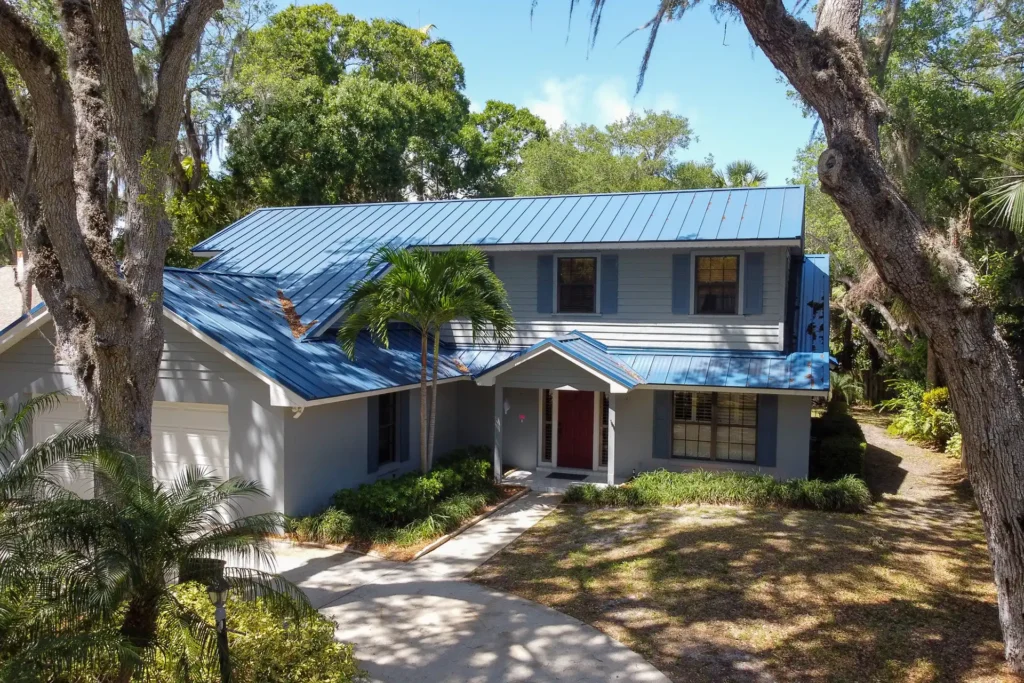

Durability and Lifespan
One of the first considerations homeowners weigh, especially when looking at premium materials, is how long a roof will last. Since the roof is a home’s first line of defense against the elements, homeowners must go with options that can withstand environmental stressors.
Metal Roofing
- High-quality metal roofs can last between 40–70 years, depending on the material and maintenance.
- Resistant to cracking, shrinking, and erosion, making them ideal for withstanding Florida’s sun, rain, and storms.
- Modern coatings also provide rust protection and UV reflectivity, reducing heat absorption and preventing premature wear.
- Often specifically engineered to meet Florida’s HVHZ building code requirements.
Tile Roofing
- Clay and concrete tiles are renowned for toughness and longevity, often lasting 50–100 years.
- Tiles are naturally resistant to fire, insects, and rot.
- Thermal mass makes them adept at regulating indoor temperatures.
- However, they can be brittle under impact, meaning falling branches or heavy debris might cause breakage.
Both options are long-lasting and energy-efficient, but tile edges out metal in maximum lifespan. Metal, however, offers fewer vulnerabilities to impact damage, a major advantage in coastal climates and stormy weather conditions.
Cost and Value
Homeowners can recoup a large portion of roof replacement costs at resale. A new roof has an average ROI between 48% and 57%, with some conditions yielding values as high as 70%. For some homeowners, the long-term value of a new roof can justify the cost of premium materials.
Cost can vary widely depending on material type, style, and installation complexity. Understanding upfront costs and long-term value is key to a smart roofing investment that you won’t regret.
Metal Roofing
- Prices generally range from $8–$14 per square foot installed.
- Initial investment is offset by minimal maintenance needs and energy savings.
- Potential for insurance premiums.
Tile Roofing
- Clay and concrete tiles are more expensive, averaging $10–$18 per square foot installed.
- Heavyweight means some homes may require structural reinforcement before installation, which adds cost.
- Considered “timeless,” meaning it won’t go out of style in a couple of decades.
While metal roofing offers a more affordable upfront cost, tile roofing can add prestige and comparable resale value.
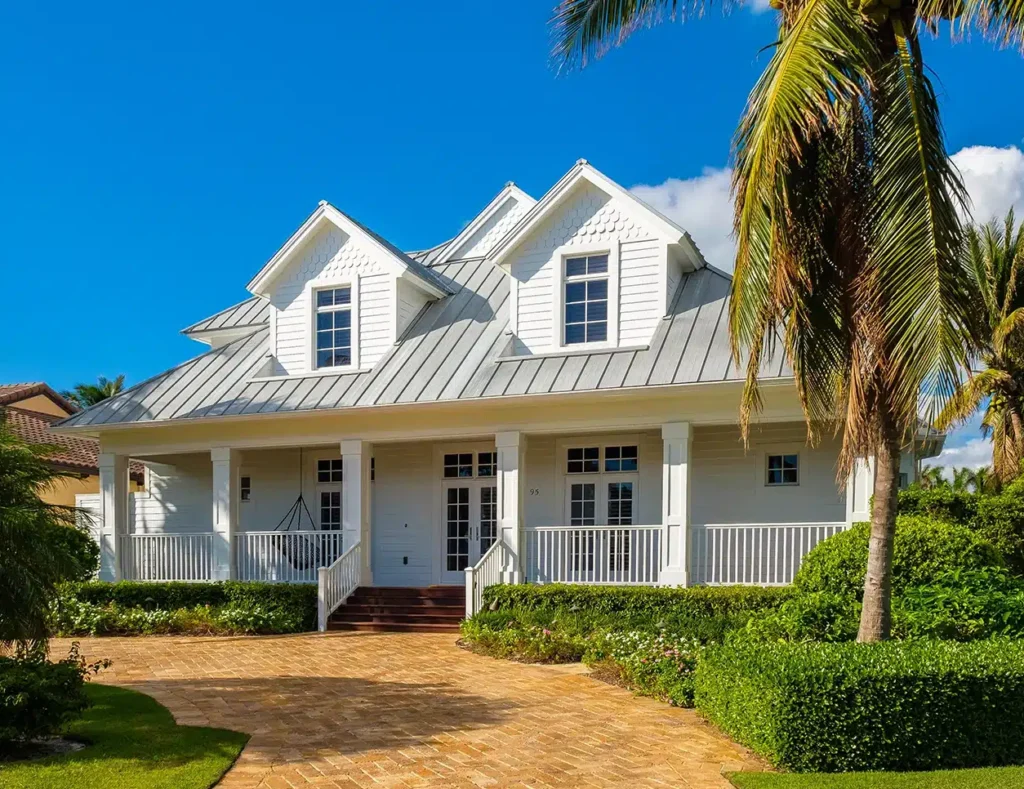
Aesthetics and Curb Appeal
Studies show that curb appeal has a significant impact on home value appraisal, and with roofs often serving as a home’s defining feature, it’s crucial to select a roof that gives the best impression possible.
Metal Roofing
- Comes in a wide variety of styles and colors, including panels, shingles, and even designs that mimic wood or slate.
- Versatile; can fit both traditional and modern homes.
- Sleek aesthetic while boosting energy efficiency.
Tile Roofing

- Offers classic elegance, especially Mediterranean or Spanish-style clay tiles.
- Rich textures and warm tones enhance curb appeal and signal premium craftsmanship.
- Emphasis on “timeless” style.
A new roof can give a home a total stylistic transformation, either to the benefit or detriment of its market value. For more information on how you can boost your home’s visual impact, explore our guide to enhancing your home’s curb appeal.
Performance in Florida’s Climate
Beyond cost and style, your roof needs to be resilient. Living in Florida means your roof’s defense against intense heat, high humidity, and strong winds is a daily task.
Metal Roofing
- Rated for up to 140+ mph winds.
- Metal also reflects solar heat, lowering cooling costs by up to 25%.
- Moisture, mold, and rot-resistant.
Tile Roofing
- Performs well against heat and sun exposure.
- Tile’s thermal mass helps regulate indoor temperatures.
- However, individual tiles can become dislodged in high wind conditions without proper installation.
While both metal and tile roofing can withstand high temperatures and keep homes cool, metal prevails in its resistance to storm conditions. While a properly assembled tile roof may resist strong winds, it may not be an ideal choice for a home located in a major storm zone.
To see how other Florida homeowners are updating their properties, check out this blog on residential roofing trends.
Maintenance and Repairs
Minimizing upkeep while prolonging lifespan is critical, especially in Florida’s climate. With the right choice, a premium roof doesn’t have to require costly repairs and maintenance.
Metal Roofing
- Low maintenance; usually just periodic inspections and cleaning.
- Seams and fasteners should be checked every few years.
Tile Roofing
- Tiles can crack and break under impact.
- Repairs may require replacing individual tiles, which can be costly if color matching is needed.
- Sub-roof layers may need eventual replacement.
For a deeper dive into how different materials hold up over time, take a look at this residential roofing materials comparison.

Environmental Impact
When it comes to environmental benefits, metal and tile roofs are evenly matched. Both materials are sustainable, eco-friendly alternatives to asphalt.
Metal Roofing
- Typically made from recycled materials
- Fully recyclable at the end of its lifespan.
- Reduces urban heat island effects with its reflectivity
Tile Roofing
- Made from natural clay or concrete, which are sustainable materials.
- Contributes to energy efficiency thanks to its insulating properties.
- Recyclable
Insurance and Resale Value
Insurance companies often look favorably on impact- and fire-resistant roofs, which can reduce premiums and save homeowners money.
Metal Roofing
- Insurance providers often reward storm-resistant and long-lasting materials with premium discounts.
Tile Roofing
- Highly fire-resistant.
- Vulnerability to storm damage may affect costs.
- Attractive to buyers for prestige value.
If you’re wondering how your policy might respond to a roof upgrade, read our article on homeowners’ insurance and roof replacements.

Choosing the Right Roof for Your Home
Both metal roofs and tile roofs are excellent, long-lasting choices that can enhance your home’s value and beauty. While they differ in cost, style, and performance, either option can serve your family well for decades.
Worry-Free Roofing with Panda Contractors
At the end of the day, the best roof for your home depends on your priorities.
- If you value modern style, energy savings, and storm protection, metal roofing may be the better fit.
- If you prefer classic aesthetics and ultra-long lifespan, tile could be your best choice.
Either way, working with a trusted contractor is key. At Panda Contractors, we specialize in roofing solutions tailored to Florida homes. From residential roofing expertise to roof replacement specials, we strive to provide quality, value, and peace of mind.
If you’re ready to explore your options, contact our roofing experts today. We’ll help you choose the roof that perfectly balances aesthetics, performance, and budget.

